
SUBMIT YOUR DETAILS FOR
Imagine Sarah and Mark, a young couple who’ve dreamed of sunny California their entire lives. They picture themselves hiking in the Sierras, surfing off the coast, and building a life in a vibrant, innovative state. They saved diligently, worked hard, and finally landed jobs in Los Angeles. But then reality hit: the sheer intensity of California residential housing demand. Their dream home, even a modest one, felt like a mirage in a desert of skyrocketing prices and fierce competition. Their story isn’t unique; it’s a narrative woven into the very fabric of California’s economic and social landscape.
For generations, California has been the promised land. Gold Rush pioneers, Hollywood hopefuls, tech visionaries – they all flocked here, drawn by opportunity, innovation, and an unparalleled lifestyle. This constant influx of people, combined with a unique set of geographic and regulatory challenges, has forged a housing market unlike any other. Understanding this demand isn’t just about numbers; it’s about delving into a complex tapestry of dreams, economics, and human ambition.
The Magnetic Pull: Why Everyone Wants a Slice of California
What makes California so irresistible? It’s a blend of factors that create an almost insatiable desire to live here, directly fueling California residential housing demand.
First, there’s the economic engine. Silicon Valley, a global hub for technology and innovation, draws the brightest minds from around the world. Companies like Apple, Google, and Meta offer high-paying jobs that attract a talented workforce. Further south, the entertainment industry in Los Angeles continues to be a magnet for creatives and professionals. Beyond these giants, California boasts a diverse economy encompassing agriculture, biotech, clean energy, and more. These sectors create immense wealth and opportunity, which in turn means more people earning good wages and seeking to establish roots.
Then, consider the lifestyle. From the pristine beaches of San Diego and Malibu to the majestic redwood forests and the ski slopes of Lake Tahoe, California offers an incredible diversity of natural beauty and recreational activities. The mild climate in many areas, particularly along the coast, is a significant draw, promising sunshine for most of the year. This quality of life is a powerful motivator for families and individuals alike, making it a highly desirable place to settle down.
Finally, there’s the cultural allure. California has always been at the forefront of trends, a place where new ideas are born and diverse cultures thrive. This dynamic environment, rich in arts, food, and progressive thought, appeals to many who seek a vibrant and forward-thinking community. This cultural magnetism contributes to sustained population growth California housing, putting continuous pressure on existing inventory.
The Unyielding Squeeze: When Supply Can’t Keep Up
The fundamental principle driving California’s housing dilemma is simple economics: high demand clashing with limited supply. It’s not just about a few popular neighborhoods; it’s a statewide phenomenon.
California’s geography, while beautiful, is also a constraint. Mountains, deserts, and the Pacific Ocean naturally limit the amount of buildable land, especially in prime coastal areas. Developers can’t just pave over the entire state. This scarcity of land is the first major hurdle.
Beyond natural limitations, a complex web of urban planning California housing regulations and environmental protections plays a significant role. Zoning laws often restrict density, preferring single-family homes over multi-unit developments, even in areas well-suited for more housing. Lengthy and often contentious permitting processes, environmental impact reviews, and local opposition (often termed "NIMBYism" – Not In My Backyard) can delay or even halt new construction for years. This means that even when land is available, getting approval to build is an arduous and expensive journey. The result? A slow drip of new homes into a market that desperately needs a gush.
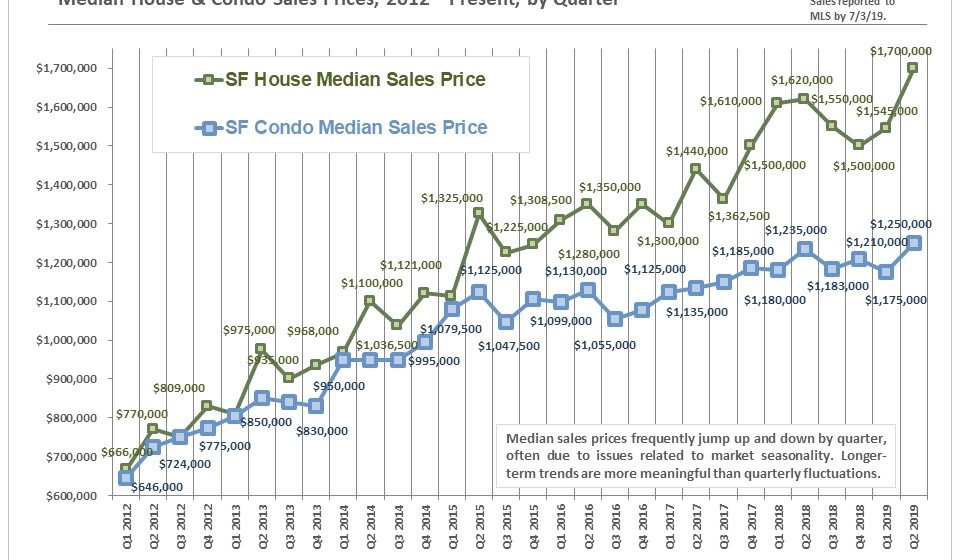
For instance, consider the Bay Area housing crisis. A young software engineer, Alex, earning a six-figure salary, still struggles to find an affordable apartment, let alone contemplate buying a home. The scarcity of available housing, particularly near major tech campuses, pushes prices to astronomical levels. Even a small condo in San Francisco can easily exceed a million dollars, a stark contrast to what Alex’s parents paid for a much larger home in the Midwest decades ago. This intense competition for limited properties is a defining feature of California real estate market trends.
The Tech Tsunami and Remote Work Ripple
The last two decades have seen the tech industry explode, particularly in Northern California. This "tech tsunami" brought with it an influx of highly paid professionals, further intensifying California residential housing demand. These individuals, often new to the state, entered the market with significant purchasing power, driving up prices and inadvertently squeezing out existing residents and lower-income workers.
Then came the COVID-19 pandemic and the subsequent remote work revolution. Suddenly, millions of Californians were no longer tied to a physical office. This shift sparked a fascinating new dynamic in remote work housing trends California. Many realized they could retain their high-paying Silicon Valley jobs while moving to more affordable regions of the state, or even neighboring states. This led to a surge in demand in places like the Inland Empire, Sacramento, and even smaller coastal towns that were once considered bedroom communities.
While some hoped this decentralization would ease pressure on major urban centers like the Los Angeles housing market forecast or the Bay Area, the reality was more nuanced. It spread the demand, certainly, but it also ignited price increases in previously more accessible areas, creating new affordability challenges for long-time residents in those communities. People were willing to commute less often, but still wanted to be within reasonable driving distance of the cultural and economic hubs.
The Affordability Crisis: A Dream Deferred
The cumulative effect of these factors is a severe housing affordability index California. For many, the dream of homeownership in California has become just that – a dream, constantly out of reach.
Sarah and Mark, our young couple in Los Angeles, face daunting challenges. They look at San Diego home prices and the Los Angeles housing market forecast with a mix of awe and despair. Even with good jobs, saving for a 20% down payment on a median-priced home, which can be upwards of $800,000 statewide, feels impossible. This is where the concept of first-time home buyer California assistance becomes crucial, yet even those programs often struggle to bridge the gap.
The issue isn’t just about buying. The rental market California outlook is equally challenging. Rents have soared, making it difficult for many to save for a down payment while simultaneously paying exorbitant monthly housing costs. This disproportionately affects lower and middle-income families, essential workers, and young professionals just starting their careers. They find themselves spending a huge percentage of their income on housing, leaving little for savings, education, or other necessities. This creates significant social and economic ripple effects, impacting everything from local business vitality to school enrollment.
Regional Differences: Not All California is the Same
While the overall narrative of high demand and limited supply holds true statewide, it’s important to acknowledge the regional nuances.
- Bay Area: Remains the epicenter of the crisis, driven by tech wealth and extreme land scarcity. Housing inventory California here is notoriously low, and prices are the highest in the nation.
- Southern California (LA & Orange County): Also faces intense demand, particularly for single-family homes. While perhaps slightly less extreme than the Bay Area, the scale of the population means millions are impacted. The Los Angeles housing market forecast often points to continued price appreciation due to persistent demand.
- San Diego: Boasts a desirable coastal lifestyle and a strong military presence, fueling steady demand. San Diego home prices have seen significant growth, mirroring trends in other major metros.
- Inland Empire (Riverside & San Bernardino Counties): Historically more affordable, these areas have seen a surge in demand from people seeking relative affordability and more space, often enabled by remote work. This has led to rapid price increases, eroding their traditional affordability advantage.
- Central Valley & Sacramento: These regions also offer comparatively lower costs and have seen increased interest, especially from those willing to commute longer distances or work remotely. Sacramento, as the state capital, has its own unique drivers of demand.


