
SUBMIT YOUR DETAILS FOR
Florida’s coastline, a shimmering ribbon of white sand beaches, clear turquoise waters, and vibrant communities, has long captivated the hearts of many, drawing them to the dream of owning a slice of this paradise. From the serene shores of the Panhandle to the bustling beaches of Miami and the laid-back charm of the Keys, the appeal of coastal living here is undeniable. It’s a place where the rhythm of the ocean dictates the pace of life, offering a unique blend of relaxation, recreation, and a robust real estate market. Owning Florida beachfront homes for sale or an oceanfront condo Florida isn’t just about a property; it’s about investing in a lifestyle, a potential source of income, and a tangible asset in one of the most desirable regions in the United States.
Understanding the diverse landscape of Florida’s coastal real estate market is the first step. The state boasts thousands of miles of coastline, each section with its own distinct character and market dynamics. The Panhandle, often called the Emerald Coast, is famous for its sugar-white sands and family-friendly atmosphere, with areas like Destin, Panama City Beach, and Rosemary Beach offering everything from charming beach cottages to luxury waterfront properties Florida. Along the Gulf Coast, cities like Naples, Sarasota, and St. Petersburg present a more upscale, cultural experience, featuring sophisticated urban centers alongside pristine beaches. The Atlantic coast, stretching from Jacksonville to Miami, offers a dynamic mix of historic towns, world-class resorts, and bustling metropolitan areas. South Florida, particularly Miami Beach, is a global hotspot for luxury real estate Florida and high-rise oceanfront condos Florida, attracting international buyers and those seeking a cosmopolitan beachfront experience. Each region offers distinct opportunities, whether you’re looking for an investment property Florida coast or a personal Florida vacation home. Current market trends often show strong demand, particularly for properties with direct water access or ocean views, leading to steady property value appreciation Florida.
Before diving into the purchase process, several crucial considerations need careful thought. The first, and arguably most important, is location. Beyond choosing a region, pinpointing the specific neighborhood or street can significantly impact your experience and your property’s future value. Are you looking for a quiet, secluded retreat, or do you prefer to be steps away from vibrant nightlife and dining? Proximity to amenities like grocery stores, hospitals, and good schools can be a significant factor, especially if you plan to make it a primary residence. Researching best places to buy coastal property Florida can provide a good starting point, but personal visits and local insights are invaluable. The micro-market within each coastal community can vary greatly, influencing everything from noise levels to potential rental income.
Financing a coastal property in Florida involves more than just the purchase price. Buyers need to account for closing costs, which typically range from 2% to 5% of the loan amount, and ongoing expenses. Mortgage options are varied, including conventional loans, jumbo loans for higher-value properties, and specific programs for foreign buyers. Interest rates for Florida mortgage rates can fluctuate, so securing pre-approval early in your search is a smart move. When considering financing waterfront property Florida, lenders often have specific requirements due to the perceived higher risk, so it’s wise to work with a mortgage broker experienced in this niche.
Insurance is another critical aspect, often more complex and costly for coastal properties than inland ones. Homeowners in Florida’s coastal zones typically need multiple policies: standard homeowner’s insurance, windstorm insurance (often a separate policy or rider), and crucial Florida flood insurance costs. Flood insurance, provided through the National Flood Insurance Program (NFIP) or private insurers, is mandatory for properties in designated flood zones and highly recommended for any coastal home. Premiums for these policies can be substantial, influenced by the property’s elevation, construction type, proximity to water, and a home’s flood mitigation features. It’s essential to get detailed insurance quotes before committing to a purchase to avoid unexpected high annual costs. Understanding coastal property insurance Florida specifics will save you from future surprises.
Property taxes also play a role in the overall cost of ownership. Florida uses a millage rate system, where taxes are assessed based on the property’s appraised value. For primary residents, the homestead exemption Florida can provide a significant tax break, reducing the taxable value of your home. However, this exemption doesn’t apply to second homes or investment properties. Researching Florida property taxes coastal for specific areas you’re considering is vital, as rates can vary by county and municipality.
Maintaining a coastal property demands consistent attention. The salt air, humidity, and sun can be harsh on building materials, requiring more frequent painting, landscaping, and general upkeep compared to inland homes. Regular inspections for rust, mold, and wear and tear are important. Furthermore, storm preparedness, including securing hurricane shutters and ensuring proper drainage, is an ongoing responsibility for any Florida beachfront homes for sale owner. Budgeting for these maintenance costs is just as important as budgeting for the mortgage and taxes.
Many buyers of Florida coastal properties are drawn by the strong potential for rental income. The state is a top tourist destination, and properties in popular areas can generate substantial revenue through short-term vacation rentals or long-term leases. Platforms like Airbnb and VRBO have made it easier for owners to manage Florida rental income property. However, operating a vacation rental comes with its own set of rules and responsibilities, including local zoning ordinances, occupancy limits, and cleaning schedules. Engaging a professional vacation rental management Florida company can alleviate much of this burden, handling bookings, maintenance, and guest services for a percentage of the rental income. For those seeking best investment properties Florida coast, carefully analyzing projected rental income versus expenses is crucial for calculating a healthy ROI coastal Florida real estate.
Legally, navigating Florida coastal property ownership involves several specific considerations. Zoning laws dictate what can be built on a property and how it can be used, particularly important for those considering new construction or significant renovations. Homeowners’ Association (HOA) rules are common in many condo communities and planned developments, governing everything from exterior paint colors to pet policies. Coastal construction setbacks, designed to protect sensitive ecosystems and mitigate erosion, can limit building footprints. Environmental regulations concerning coastal ecosystems, such as wetlands and protected species habitats, are also strictly enforced. Thorough due diligence, including a property survey and a review of all relevant documents, is essential to understand any limitations or obligations tied to the property.
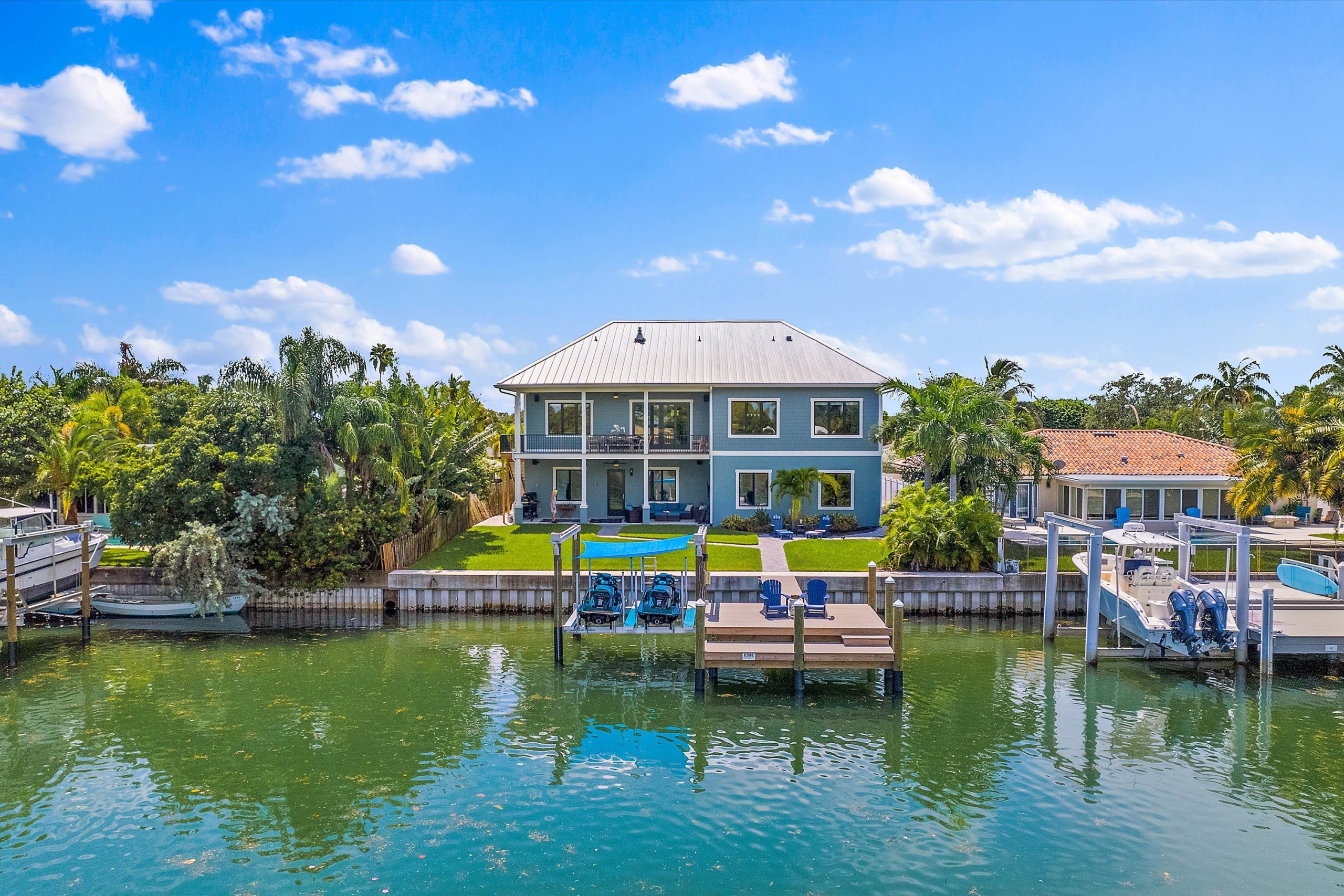
The purchase process itself, while similar to buying any home, benefits from specialized expertise. Finding a reputable Florida real estate agent coastal who deeply understands the nuances of waterfront properties is invaluable. They can guide you through specific challenges, like understanding seawall integrity, flood zone designations, and unique insurance requirements. Once you find a suitable property, making an offer and negotiating terms often requires a skilled agent to secure the best deal. Comprehensive inspections are non-negotiable; this includes not only a standard home inspection but also specialized assessments for the roof, seawall, dock, and any other unique features of a coastal property. The closing process involves legal review of documents, title searches, and the final transfer of ownership, all of which benefit from clear communication and expert guidance. Understanding the entire buying a home in Florida process ensures a smoother transaction.
Beyond the financial and legal aspects, the lifestyle associated with Florida coastal living is a major draw. Imagine waking up to the sound of waves, enjoying morning strolls on the beach, or spending afternoons boating, fishing, or paddleboarding right from your backyard. Florida’s coastal communities offer a relaxed pace, often with a strong emphasis on outdoor activities and community events. For many, it represents the ideal Florida coastal lifestyle or the perfect setting for retirement homes Florida coast, offering year-round warm weather and abundant opportunities for leisure and social engagement.
However, it’s also important to acknowledge the challenges inherent in coastal ownership. Florida is prone to hurricanes and tropical storms, which can cause significant damage. Implementing mitigation strategies, such as impact-resistant windows, reinforced roofs, and securing outdoor items, is crucial. Developing a comprehensive hurricane preparedness plan is an annual necessity. Coastal erosion is another ongoing concern in many areas, potentially threatening property lines and requiring costly interventions like beach renourishment projects or seawall repairs. Looking to the future, the topic of rising sea levels is an important long-term consideration, influencing property values and insurance costs in vulnerable areas. Staying informed about local resilience efforts and planning for potential environmental changes is part of responsible coastal ownership.
Owning a Florida coastal property is a significant and often deeply rewarding decision. It offers the promise of breathtaking views, unparalleled recreational opportunities, and a potentially strong financial investment. Yet, it’s a decision that demands careful planning, thorough research, and a clear understanding of both the joys and responsibilities involved. By partnering with experienced professionals—from real estate agents to insurance brokers and legal advisors—and by diligently educating yourself on the market and its unique characteristics, you can confidently navigate the path to making that coastal dream a tangible reality. The enduring appeal of Florida’s sun-drenched shores and vibrant communities ensures that coastal property ownership will remain a highly sought-after endeavor for generations to come.


