SUBMIT YOUR DETAILS FOR
Imagine standing at the edge of a dusty construction site, clutching a roll of blueprints that represent your lifelong dream. You can see it clearly: the perfect shade of charcoal siding, the elegant glow of copper sconces flanking a solid oak door, and the way the sunset will hit the stone accents on the chimney. It feels magical until you look at the price tag for just the front door and realize your “dream budget” might have been a bit more of a “daydream.”
Plaing the exterior of a custom home is one of the most exhilarating yet terrifying parts of the building process. It is the face your home presents to the world, the first impression for every guest, and the primary shield against the elements. However, without a strategic roadmap, costs can spiral out of control faster than a summer thunderstorm. In this guide, we’ll walk through the storytelling of a successful build, showing you how to balance your aesthetic desires with financial reality.
Defining Your Exterior Vision: Needs vs. Wants
Every great budget starts with a conversation, often over a cup of coffee and a very long Pinterest board. Before you talk to a contractor, you need to differentiate between your “must-haves” and your “would-be-nice-to-haves.” Think of your home’s exterior as a three-layer cake. The foundation and weatherproofing are the cake itself; the siding and windows are the frosting; and the decorative lighting and landscaping are the sprinkles.
In the world of custom homes, it is easy to get distracted by the “sprinkles.” You might find yourself falling in love with imported Italian marble for the walkway while forgetting that you live in a climate with heavy freeze-thaw cycles that could crack that marble in a single season. Start by listing the elements that provide structural integrity and energy efficiency. These are your non-negotiables. Once those are priced out, you can see how much room is left for the high-end aesthetic finishes.
The Big Three: Roofing, Siding, and Windows
When it comes to the bulk of your exterior budget, three categories will consume the most significant portion of your funds. Understanding the price-to-value ratio of these materials is crucial for effective plaing.
1. Siding and Cladding
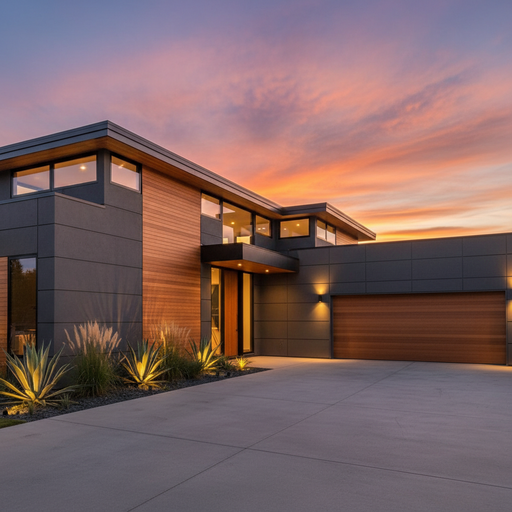
Siding is the most visible element of your home. Vinyl is the budget-friendly king, but in the custom home world, many homeowners opt for fiber cement (like James Hardie) or natural wood. Fiber cement offers a fantastic middle ground—it’s durable, fire-resistant, and can mimic the look of wood for a fraction of the long-term maintenance cost. If you have your heart set oatural stone or brick, consider using them as “accents” on the front facade while using more cost-effective materials on the sides and back to save thousands.
2. Windows and Doors
Never underestimate the cost of glass. Modern custom homes often feature large, black-framed windows that look stuing but come with a hefty price tag. When budgeting, remember that windows are not just about looks; they are about thermal performance. Spending more upfront on high-quality, double or triple-pane windows can save you a fortune on utility bills over the next twenty years. For doors, the “grand entrance” is a common splurge, but ensure the hardware and weatherstripping are of equal quality to prevent drafts.
3. Roofing Materials
Your roof is your home’s first line of defense. While standard asphalt shingles are the most affordable, architectural shingles offer a more “custom” look for a slight price increase. If your budget allows for a metal roof or slate, you are looking at a much higher upfront cost but a lifespan that could triple that of shingles. In your budget spreadsheet, always factor in the cost of gutters and downspouts, as these are often priced separately.
The Hidden Costs: What Most Homeowners Forget
The “sticker shock” of custom home building often comes from the items you didn’t see coming. These are the logistical and finishing details that don’t show up in a pretty architectural rendering but are essential for a finished look.
- Permits and Impact Fees: Depending on your location, your local municipality might charge thousands just for the right to build.
- Exterior Lighting: A few porch lights are cheap, but a fully integrated landscape lighting system with motion sensors and timers can cost several thousand dollars.
- Grading and Drainage: If your lot isn’t perfectly flat, you’ll spend a significant amount of money moving dirt and ensuring water flows away from your foundation.
- Driveways and Walkways: Gravel is cheap; pavers are expensive. Heated driveways (popular in snowy climates) are a luxury that requires deep pockets.
- Decks and Patios: Many homeowners forget that the “outdoor living” space is part of the exterior budget. Transitioning from a simple concrete pad to a multi-level composite deck can swing a budget by $20,000 or more.
The 20% Contingency Rule: Your Financial Safety Net
In the world of custom home exteriors, surprises are rarely cheap. You might dig for a foundation and hit a massive boulder that requires specialized equipment to remove. Or, the specific shade of cedar you ordered might go up in price due to supply chain issues. This is why every professional builder recommends a 10% to 20% contingency fund.
Think of this money not as “extra” money to spend on a fancier mailbox, but as an insurance policy for your sanity. If you don’t use it, you have a head start on your furniture budget. If you do use it, you’ll be glad you weren’t forced to take out a second loan halfway through the project because the cost of copper piping spiked.
Phasing the Project: How to Get the Look Over Time
If your dream exterior exceeds your current bank balance, don’t panic. One of the best ways to manage a custom home exterior budget is through phasing. You don’t have to do everything at once. Focus on the “envelope” of the house first—the parts that keep the rain and wind out. This includes the roof, siding, and windows.
Items like landscaping, decorative shutters, high-end outdoor kitchens, and elaborate fencing can often be moved to “Year Two” or “Year Three.” By living in the house for a year, you’ll better understand how you use the outdoor space, which might actually change your mind about what you need, ultimately saving you money on features you wouldn’t have used anyway.
Working with Professionals vs. DIY
The “Do-It-Yourself” bug bites many homeowners during the budget plaing phase. While painting a fence or planting some shrubs is a great way to save a few dollars, the core exterior of a custom home is no place for a novice. Poorly installed siding or improperly flashed windows can lead to rot and mold that will cost ten times more to fix than you saved on labor.
When plaing your budget, hire a reputable general contractor or a specialized exterior designer. They often have access to “trade pricing” for materials that you can’t get at a big-box retailer, and their expertise ensures that the job is done right the first time. A good contractor is an investment, not just an expense.
Conclusion: Building with Confidence
Budgeting for a custom home exterior is a journey of balance. It is where your creative dreams meet the hard reality of math. By prioritizing high-quality materials for the structural envelope, accounting for hidden costs, and maintaining a healthy contingency fund, you can ensure that the process of building your home is as rewarding as the day you finally move in.
Remember, your home’s exterior is an investment in your future. It’s the backdrop for family photos, the place where you’ll welcome neighbors, and the sanctuary that protects everything you love. Plan wisely, spend intentionally, and watch as your blueprints transform into a stuing reality that stays within your means.
