SUBMIT YOUR DETAILS FOR
Imagine the sun-drenched beaches, the majestic redwoods, the vibrant cities buzzing with innovation. California, the Golden State, has long been a beacon of opportunity and a place where dreams take root. For many, that dream includes owning a piece of this iconic land – a home. But the path to homeownership in California is often described as a challenging climb, a unique journey unlike almost anywhere else in the nation. It’s a market shaped by a powerful economy, limited space, and an ever-present influx of people drawn to its promise. Let’s pull back the curtain and explore the fascinating, often bewildering, world of California’s residential property market.
The Golden Allure: Why Everyone Wants a Piece of California
At its heart, the California real estate trends are driven by a simple equation: high demand meeting limited supply. This isn’t just about pretty scenery; it’s about opportunity. California boasts the fifth-largest economy in the world, a hotbed for technology, entertainment, agriculture, and innovation. Companies like Apple, Google, Disney, and countless startups call California home, attracting a talented workforce from across the globe. These high-paying jobs fuel a constant desire for housing, creating a unique pressure on California home values.
Think of it like this: a beautiful, exclusive club. Everyone wants to get in, but there are only so many seats. California has strict zoning laws, geographical barriers like mountains and oceans, and a long development process, all of which restrict new construction. This creates an environment where properties, especially single-family homes, become highly prized assets. Understanding these fundamental forces is your first step in making sense of the California housing market dynamics.
A Tale of Many Markets: California’s Diverse Housing Landscape
One of the biggest mistakes people make is thinking of California as a single housing market. It’s not. It’s a collection of distinct markets, each with its own character, challenges, and opportunities. From the tech hubs of the Bay Area to the sprawling suburbs of Southern California, and the more agricultural regions of the Central Valley, prices and lifestyles vary dramatically.
The Bay Area’s Tech-Fueled Frenzy:
When you hear about eye-watering home prices, chances are they’re talking about the Bay Area housing market. San Francisco, Silicon Valley (think San Jose, Palo Alto, Mountain View), and surrounding areas are ground zero for the global tech industry. Here, demand is astronomical, fueled by highly paid tech workers and a severe housing shortage. A modest starter home can easily cost over a million dollars. Luxury homes California often reach tens of millions, especially those with stunning views or unique architectural designs. The tech boom impact on California housing has been profound, creating immense wealth but also pushing affordability out of reach for many. Condos and townhouses are popular alternatives here, offering a foot in the door, albeit an expensive one.
Southern California’s Diverse Tapestry:
Head south, and you enter a vast, varied landscape. The Southern California home prices are also high but present a broader spectrum. Los Angeles County, with its entertainment industry and diverse economy, sees incredibly high Los Angeles home values, particularly in desirable neighborhoods like Beverly Hills, Santa Monica, or the Hollywood Hills. Further south, the San Diego housing market offers a more laid-back, coastal vibe, though prices remain robust due to its beautiful beaches, strong military presence, and growing biotech sector.
Venture inland from the coast, and you’ll find the Inland Empire housing market (Riverside and San Bernardino counties). This region has historically offered more affordable housing California options compared to its coastal neighbors, attracting those who are willing to commute for better value. It’s seen significant growth and development, with new communities emerging, catering to families and individuals looking for more space without the exorbitant price tags of the immediate coast.
The Central Valley and Beyond: Opportunities Emerge:
For those seeking genuine affordable housing California options, the Central Valley often becomes a focal point. Cities like Sacramento, the state capital, offer a vibrant and growing Sacramento real estate market. While prices have risen here too, they remain significantly lower than in the Bay Area or coastal Southern California. This region attracts individuals and families looking to escape the extreme costs of the major metros, often accepting a longer commute or finding remote work. It’s a key area for relocating to California housing if budget is a primary concern. Other Central Valley cities like Fresno and Bakersfield also offer more accessible entry points into homeownership.
Coastal Gems vs. Inland Value:
This distinction is vital. Coastal California properties command premium prices due to their proximity to the ocean, desirable climates, and often, more established communities. These include places like Orange County, Monterey, and Santa Barbara. Moving even a short distance inland can often yield substantially lower prices, even within the same metropolitan area. This highlights California’s diverse housing markets and the importance of pinpointing your priorities – beachfront living comes at a price.
Navigating the Golden State’s Housing Hurdles
While the dream of California homeownership is powerful, it’s essential to be realistic about the challenges.
Affordability: The Golden State’s Golden Problem:
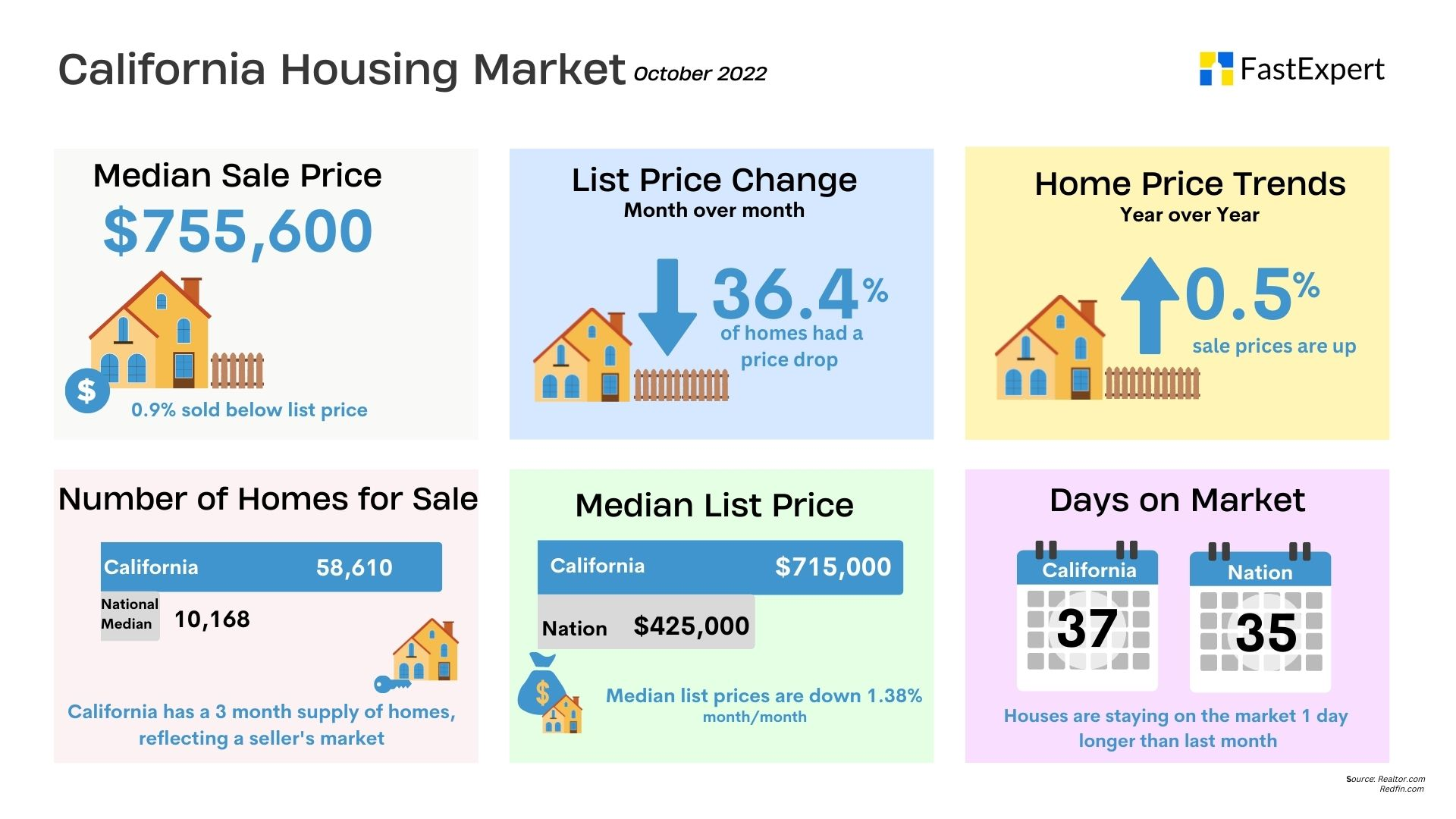
Let’s be blunt: California has an California housing affordability crisis. Median home prices routinely hover far above the national average. This isn’t just a concern for low-income families; it impacts middle-class professionals, teachers, nurses, and first responders. Many struggle to save for a down payment or afford the monthly mortgage, even with good incomes. This makes being a first-time home buyer California particularly tough, requiring significant financial planning and often, a willingness to compromise on location or size.
Supply and Demand Imbalance:
We touched on this earlier, but it’s worth reiterating. The fundamental California housing supply and demand imbalance is the root cause of high prices. Regulations, environmental concerns, community resistance to new development (often called NIMBYism – Not In My Backyard), and the sheer cost of construction all contribute to a slow pace of new home building. This means there simply aren’t enough homes to go around for everyone who wants to live here.
Mortgage Rates and Interest Rate Swings:
Like any market, the mortgage rates California faces are influenced by national and global economic factors. When California interest rates housing climb, it directly impacts buying power. A higher interest rate means a higher monthly payment, which can price out potential buyers even if home prices remain stable. Keeping an eye on these economic indicators is crucial for anyone considering a purchase. Even a small change in rates can have a big impact on what you can afford in a high-cost market.
Strategies for the Savvy Buyer and Investor
Despite the challenges, people do buy homes in California every day. It requires strategy, patience, and often, a bit of creativity.
Doing Your Homework:
Before you even start looking at houses, do your research. Understand the specific neighborhoods you’re interested in. What are the local schools like? What’s the commute? What are the crime rates? What are the future development plans? Working with a knowledgeable local real estate agent who truly understands the nuances of specific areas is invaluable. They can guide you through the local market quirks and help you uncover hidden gems.
First-Time Buyers: Programs and Strategies:
If you’re a first-time home buyer California, don’t despair. There are programs available designed to help. The California Housing Finance Agency (CalHFA) offers various loan programs and down payment assistance. Federal programs like FHA and VA loans can also reduce the upfront costs. Consider looking slightly outside your ideal neighborhood, exploring condos or townhouses instead of single-family homes, or even considering a fixer-upper if you’re handy. Pooling resources with a partner or family member can also make the dream more attainable.
